

Charm | Lil' Tusk
High Grade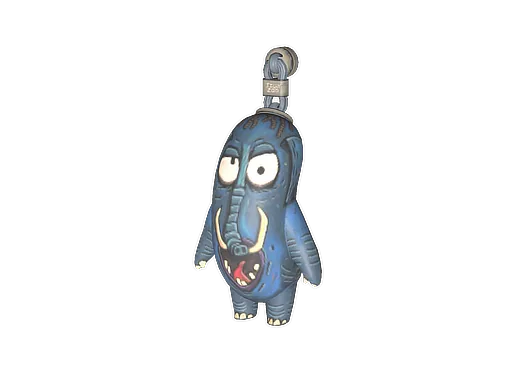
- Marketplaces from
- —
- Steam from
- —
About Charm Lil' Tusk
Charm | Lil' Tusk is a High Grade community-created weapon charm introduced exclusively to Counter-Strike 2 as part of the Missing Link Community Charm Collection in The Armory. Designed by Workshop artist m03h, it adapts the collection's mascot silhouette into a cartoon mammoth or elephant figurine.
Because weapon charms were built specifically for CS2, this item never existed in CS:GO.
Summary
Armory collection
Compare prices
| Market | From | Listings | Open market offers |
|---|
Loading market prices…
About these prices
Lowest reported asking prices from the tracked markets for the selected edition and exterior. Unavailable or outdated offers are excluded. Exact float, stickers, payment method and fees can change the amount shown at checkout.
Source: CSMarketAPI. Marketplace observations have their own timestamps. A dash means no listing count was supplied. Steam Wallet prices appear in the Steam row and are excluded from lowest cash-price highlights.
How to obtain Charm Lil' Tusk
Players can earn Charm | Lil' Tusk in-game by spending Armory Credits on the Missing Link Community Charm Collection in The Armory, or acquire a specific color seed through peer-to-peer trading and the Steam Community Market.
Once attached to a chosen spot on any CS2 weapon, the charm dangles and moves along with your gun. Whenever you want to swap it onto a different weapon, using a Charm Detachment returns it safely to your inventory.
Armory redemption & odds
Based on this container’s item pool and rarity rates. Each opening is independent.
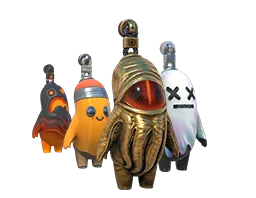
- High GradeRarity80.128%1 in 1.248
- Lil' Tusk8 items at this rarity1 in 81 in 10
Appearance and Pattern Seeds
Shaped like the standard bipedal Missing Link character, Lil' Tusk features a textured elephant face with a central trunk, two curved white tusks, wide cartoon eyes, and an open mouth.
There are no wear ratings or StatTrak versions for charms, but Lil' Tusk's Charm Template seed (ranging from 1 to 100,000) completely changes its primary body color across a full spectrum. Lower seeds roughly up to 30,000 produce blue tones, mid-range seeds transition through purple, pink, and red, and upper seeds from 75,000 to 100,000 shift into yellow, lime, and green.
More charms
View all Extraordinary
 Extraordinary
 Extraordinary
 Extraordinary
 Extraordinary
 Extraordinary
 Extraordinary
 Extraordinary