

★ Flip Knife | Marble Fade
Covert Knife
About ★ Flip Knife | Marble Fade
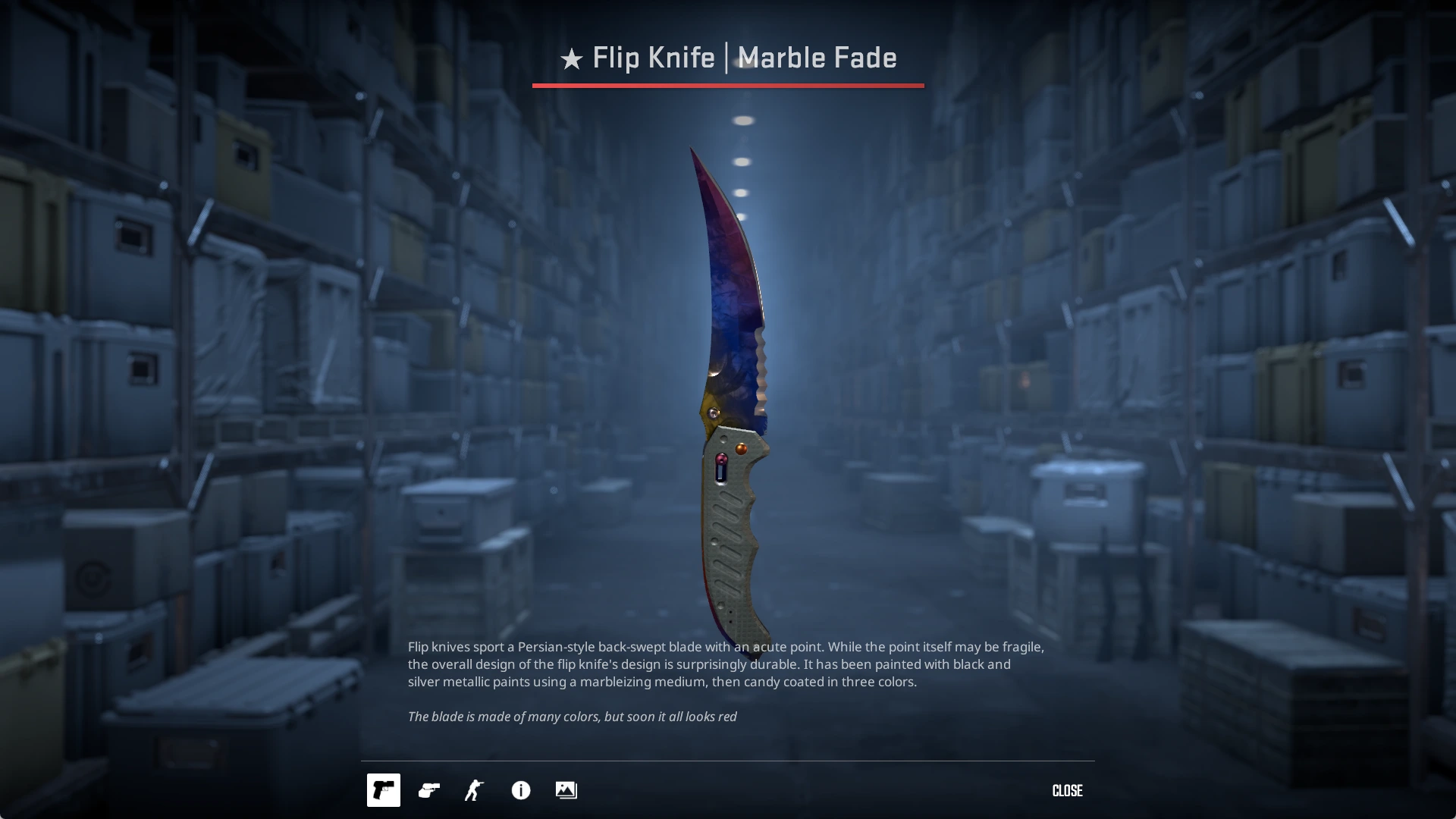
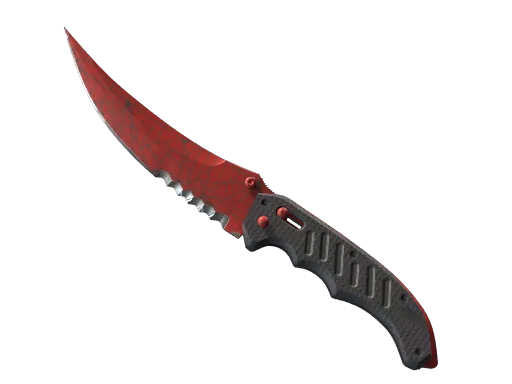
Red, blue and yellow gradients run through the smoke-like metallic marbling of ★ Flip Knife | Marble Fade. This Covert knife has a black-and-silver paint base beneath a three-color candy coat, giving the blade its layered look. The handle stays unpainted.
The pattern seed changes how those colors fall across the blade. That makes the layout worth checking alongside the exterior: two Factory New knives can have quite different color combinations.
Summary
Containers
Compare prices
| Market | From | Listings | Open market offers |
|---|
Loading market prices…
About these prices
Lowest reported asking prices from the tracked markets for the selected edition and exterior. Unavailable or outdated offers are excluded. Exact float, stickers, payment method and fees can change the amount shown at checkout.
Source: CSMarketAPI. Marketplace observations have their own timestamps. A dash means no listing count was supplied. Steam Wallet prices appear in the Steam row and are excluded from lowest cash-price highlights.
Wear & appearance
Marble Fade comes only in Factory New and Minimal Wear; there’s no Field-Tested version. Near its maximum wear, noticeable abrasions appear at the blade corner beside the handle. Check that area when comparing listings rather than assuming the exterior label tells you everything about the finish.
Marble Fade patterns
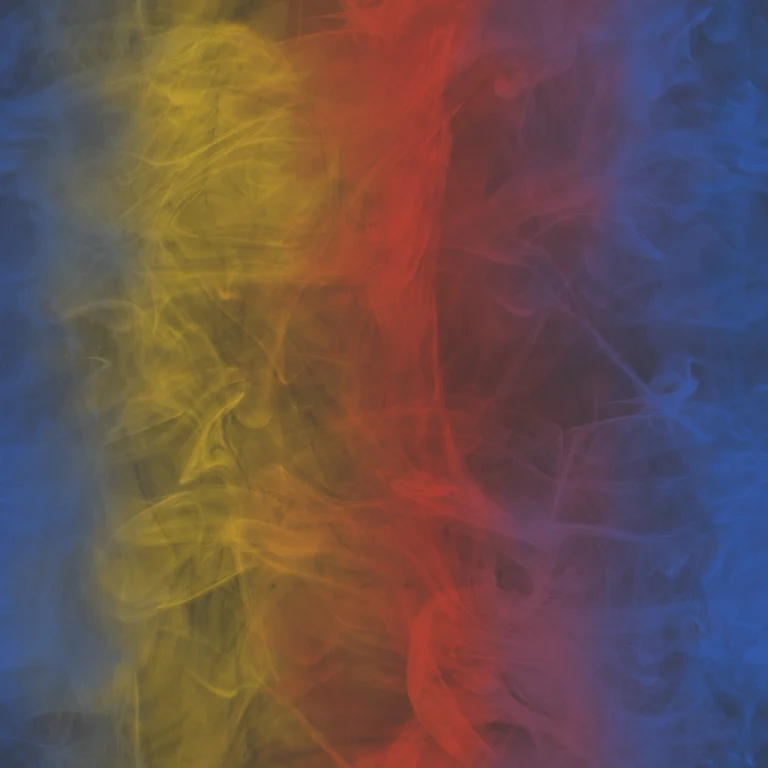
The pattern seed changes where red, blue and yellow sit on the Flip Knife’s blade. Some layouts give all three colors plenty of room, while others leave you with a much simpler two-color combination.
Fire & Ice is the red-and-blue version, with no yellow on the playside. The balance between those two colors matters here: the Max rankings favor more red, with 1st Max at the top. Fake Fire & Ice has a similar look, but a patch of yellow appears at the base of the blade. Tricolour brings substantial areas of all three colors into the design, giving you more of the full Marble Fade palette.
The four-level Fire & Ice classification groups the Flip Knife seeds as follows:
| Fire & Ice ranking | Seeds |
|---|---|
| 1st Max | 412 |
| 2nd Max | 16, 146, 241, 359, 393, 541, 602, 649, 688, 701 |
| 3rd Max | 152, 281, 292, 344, 628, 673, 743, 777, 792, 994 |
| 4th Max | 126, 129, 332, 787, 874, 908, 918, 923 |
Seeds 48 and 780 have yellow at the blade base, placing them in Max Fake under this four-level classification, while broader ten-group guides put them in their fourth Fire & Ice group.
If you prefer the yellow-and-blue combination, Gold & Ice is the variation to look at. Seed 407 is an example of this layout, swapping the red-and-blue contrast of Fire & Ice for a warmer yellow alongside the blue.
In-game looks
Recorded in CS2
Float 0.01 · Pattern 1
How to obtain Flip Knife Marble Fade
You can buy Marble Fade on the market, unbox it as a rare special item from the Chroma Case, Chroma 2 Case or Chroma 3 Case, or get it through an eligible five-Covert trade-up using skins from the Chroma, Chroma 2 or Chroma 3 collections. Eligible StatTrak trade-ups can also produce the StatTrak version.
If you want seed 412, Gold & Ice 407 or another specific layout, buy it from a listing that shows the matching seed. Inspect the knife before buying so you can compare both its pattern and wear.
Container & drop chance
Uses this simulator’s model, finish and phase weights. Includes all wears and seeds. Each opening is independent.
Flip Knife Marble Fade can drop from 3 cases. The example below uses Chroma Case; other sources follow.
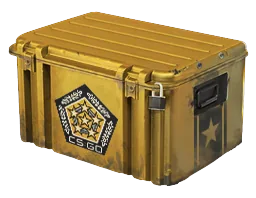
- Rare special itemKnife or glove tier0.256%1 in 391
- Flip KnifeModel20%1 in 1,955
- Marble FadeFinish11.905%1 in 16,422
- NormalEdition9 in 101 in 18,247
Other opening sources (2)
- 0.00548%About 1 in 18,247StatTrak™: 0.000609% · 1 in 164,220
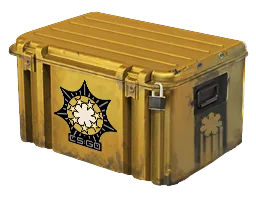 Chroma 2 CaseNormal · Simulator odds
- 0.00548%About 1 in 18,247StatTrak™: 0.000609% · 1 in 164,220
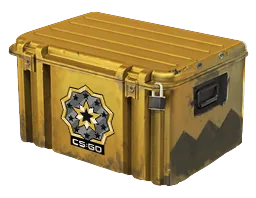 Chroma 3 CaseNormal · Simulator odds
History
Valve created Marble Fade, which arrived in CS:GO on 8 January 2015 with the Chroma Case and the Full Spectrum update. Its debut predates CS2; the Chroma 2 and Chroma 3 cases provided additional opening sources afterward.
More Marble Fade skins
View familyExplore Marble Fade across 18 other items.
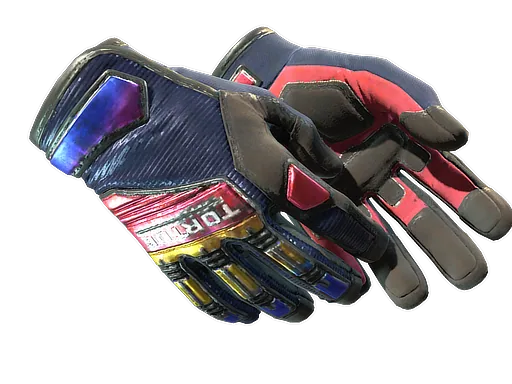 Extraordinary
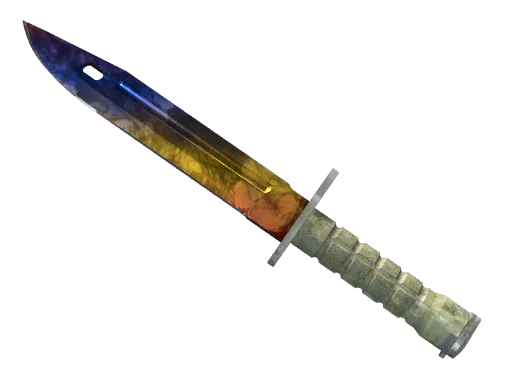 Covert
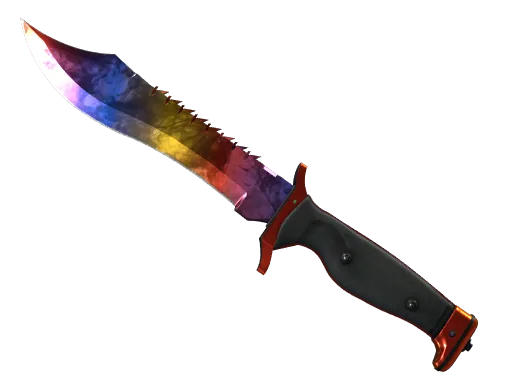 Covert
 Covert
 Covert
 Covert
 Covert
 Covert
Similar Flip Knife skins
View all Covert
 Covert
 Covert
 Covert
 Covert
 Covert
 Covert
 Covert